—
Trade Show Design Trends for 2026: What’s New on the Exhibit Floor
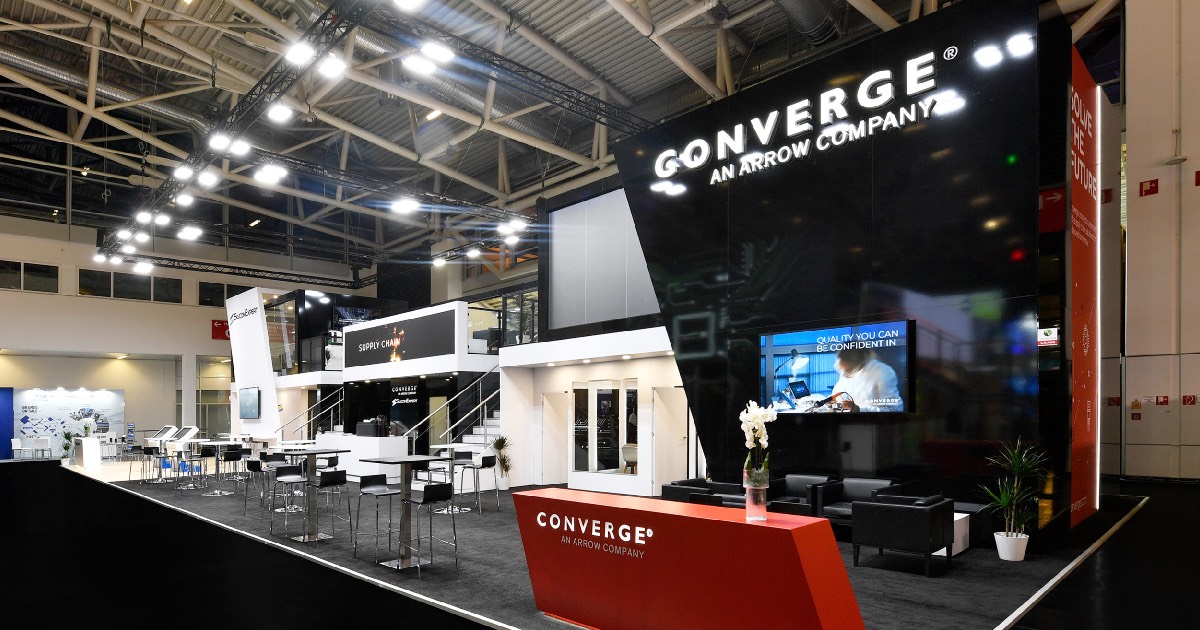
The trade show world is always evolving. From new technologies to fresh design concepts, exhibitors are constantly looking for ways to stand out and create meaningful connections with attendees. As we move into 2026, the exhibit floor will change. Expect the latest trade show booth design trends 2026 to be more dynamic, more immersive, and more focused on the attendee experience than ever before.
At IGE Group, we help brands stay ahead of the curve by blending creativity with the latest innovations in trade show design. This guide provides a look at the top trade show display trends for 2026 and outlines the strategic actions your business can take to capitalize on them.
Why Do Companies Need to Keep Up With Trade Show Design Trends?
In today’s competitive landscape, attending a trade show without a modern, strategic booth is a lost opportunity. Companies need to keep up with trade show design trends for three primary reasons:
- Increased Attention and Engagement: Modern attendees expect an experience. Outdated, static displays get passed by. Trends like immersion and multi-sensory engagement turn passersby into participants, increasing dwell time and meaningful interaction.
- Brand Perception and Authority: Choosing sustainable materials or integrating cutting-edge AR/VR technology signals that your brand is forward-thinking and committed to quality. This helps establish brand authority and builds immediate trust with attendees.
- Measurable ROI and Adaptability: New trends, particularly modular and hybrid designs, are built for ROI. They allow exhibitors to measure engagement more precisely and reduce long-term costs by reusing structures across multiple events, maximizing the value of every dollar invested.
Here are the Top 6 Trade Show Booth Design Trends We’re Predicting for 2026
The winning booth in 2026 will seamlessly blend physical structure with digital experience, all while reflecting strong brand values.
1. Immersive Technology Takes Center Stage
In 2026, digital experiences are no longer optional—they’re expected. Booths are transforming into mini-theaters and interactive spaces with various technologies. Augmented and Virtual Reality (AR/VR) allow attendees to explore products, spaces, or services in ways that go beyond physical limitations, such as a virtual factory tour or a product demonstration for equipment too large to ship.
Interactive screens and touch displays also give visitors control over how they engage with your brand story. AI-powered personalization takes it a step further by tailoring experiences on the spot, from customized demos to curated content suggestions. In other words, these technologies don’t just entertain; they create memorable experiences that visitors carry with them long after the event. To see how these concepts are applied, read our analysis on Trade show retail displays.
2. Sustainable and Eco-Friendly Booth Designs
Sustainability continues to be a major focus, and in 2026, it’s a must-have feature. Exhibitors are choosing eco-conscious designs that reflect their brand values and appeal to environmentally aware audiences.
Expect to see booth structures built from recycled aluminum and other reusable materials. LED lighting will reduce energy consumption, while graphics are printed with eco-friendly, water-based inks. Modular designs that can be repurposed across multiple shows will also become more common. Brands that embrace sustainability won’t just stand out; they’ll also show they’re serious about making a positive impact.
3. Bold, Minimalist Graphics
While immersive experiences are on the rise as far as trade show booth design trends go, visual simplicity is also trending. Overly complex graphics are giving way to bold, clean, minimalist designs that quickly communicate brand identity and key messages.
In 2026, the winning booths will feature large-format visuals that grab attention from across the exhibit hall. They’ll use high-contrast color palettes that make messaging easy to read. Whitespace will keep the design clean and uncluttered. Together, these choices ensure attendees understand who you are and what you offer in just seconds—a critical advantage on a crowded trade show floor.
4. Multi-Sensory Engagement
Brands are moving beyond visuals and tapping into all five senses to create unforgettable experiences. In 2026, look for booths that use:
- Soundscapes or background music to set the mood and draw visitors in.
- Scent marketing to trigger memory and emotion, creating a deeper brand association.
- Tactile experiences, such as product samples or textured booth surfaces, encouraging physical interaction.
By engaging more senses, exhibitors create deeper, more lasting impressions that set them apart from competitors.
5. Hybrid Trade Show Strategies
The pandemic accelerated hybrid experiences, and they’ve become a staple of modern trade shows. In 2026, expect to see booths designed with both in-person and virtual audiences in mind.
This includes live streaming demos from the booth, virtual tours for attendees who can’t be there in person, and content hubs that make it easy to repurpose booth presentations online. Hybrid strategies extend the value of your trade show investment and connect you with a broader audience. To maximize this trend, we recommend integrating your efforts with Social media marketing for trade shows.
6. Flexible and Modular Booth Designs
Budgets and schedules are tighter than ever, which is why modular booth systems are a major trend heading into 2026. These booths are designed to adapt, whether you’re at a small regional show or a large international event. The benefits are clear:
- Easy reconfiguration for different space sizes and layouts.
- Reduced costs by reusing the same structure across multiple shows.
- Consistency in branding while still offering flexibility in design.
This smart approach ensures that your booth investment goes further without sacrificing design impact.
Data & ROI: Measuring the Success of Your 2026 Booth
A successful exhibit is not just about looks; it’s about measurable results. In 2026, the leading booths will be data-driven.
Leveraging QR Codes and RFID for Lead Capture
Moving beyond manual badge scanning, modern booths use dynamic QR codes and RFID technology to track engagement. A quick scan can deliver a personalized digital brochure, instantly logging the lead’s interest in your CRM. This not only speeds up follow-up but also provides insight into exactly what content resonated with the attendee.
Key Performance Indicators (KPIs) Beyond the Handshake
We advise clients to measure the following metrics to gain a true picture of engagement value:
Dwell Time
This metric measures the average amount of time attendees spend within your defined booth space. Dwell Time is a powerful indicator of engagement and the overall appeal of your design. High dwell time means your immersive tech, seating areas, or product displays are effectively capturing attention and translating traffic into meaningful interest, proving the booth is a successful destination, not just a pass-through.
Content Interaction Rate
This KPI tracks the percentage of attendees who actively engage with a specific digital element, such as a touch display, AR/VR simulation, or interactive kiosk. It moves beyond passive viewing, telling you precisely which demos or presentations are the most compelling. By tracking this rate, you can refine your booth’s content strategy for future shows to push the most popular and high-converting interactions.
Lead Quality Score
Instead of simply counting badges, the Lead Quality Score weights leads based on their actions within the booth. A high score is assigned to a visitor who downloaded a specific pricing sheet, completed an interactive challenge, or spent significant time in a product-specific VR demo. This metric allows your sales team to prioritize follow-up efforts on prospects who have demonstrated the highest buying intent.
Analyzing Attendee Flow with Heatmap Technology
Strategically placed sensors and cameras (adhering to privacy laws) can map attendee traffic flow. This heatmap data helps IGE Group design the most efficient, attention-grabbing layout for your next event, ensuring your high-value product demo is placed where the most people stop.
Meet the Experts: The IGE Group Design Philosophy
At IGE Group, our design philosophy is centered on blending creativity with engineering to build the most functional and memorable trade show experiences. We have spent over a decade working with global brands, including those at high-profile events like the Consumer Electronics Trade Show.
Our team of designers, engineers, and project managers adheres to two core principles:
- We Engineer Experiences, Not Just Booths: Every piece of technology, every material choice, and every piece of lighting is designed to solve a business challenge. We don’t use tech for the sake of tech; we use it to create a specific, data-measurable interaction.
- Adaptability is Non-Negotiable: We prioritize modular systems and reusable structures that protect your investment over the long term. Our goal is to make a single booth system adapt effortlessly to a 10×10 space one month and a 40×40 space the next.
We are your strategic partner, ensuring your trade show display trends for 2026 and beyond are built for maximum impact and minimal stress.
Trade Show Booth Design Trends That Stick
The common thread weaving through all the top trade show booth design trends for 2026 is the drive toward authenticity and connection. Immersive tech creates deeper connections, sustainability speaks to shared values, and modularity allows you to maintain brand consistency globally. These aren’t temporary fads; they are permanent shifts in how brands use physical spaces to tell their story.
Ready to make your 2026 trade show booth stand out? Contact IGE Group today and let’s design an exhibit that captures attention, tells your story, and leaves a lasting impression.